It was in 1969 that John Lennon wrote the song, Give Peace a Chance.
That was six years before the Vietnam War ended; 31 years before 9/11;
and 53 years before The Russian Federation invaded Ukraine, an
independent Republic with a democratically elected government.
Rotary has always believed in Peace. Rotarians from Hamilton, Ontario, Canada, proposed before the 1914 Rotary Convention that The International Association of Rotary Clubs (now Rotary International) “lend its influence to the maintenance of peace among the nations of the world.” Delegates at the convention, which took place just weeks before Europe became engulfed in war, agreed.
Rotary eventually approved the creation of Rotary Peace Centers program in 1999, and the inaugural class of Rotary Peace Fellows began their studies in 2002. Rotary Peace Centers, located at universities around the world, develop leaders who become catalysts for peace in local communities and on the global stage. To that end, each year The Rotary Foundation awards up to 50 fellowships for master’s degrees and 80 for certificate studies at premier universities.
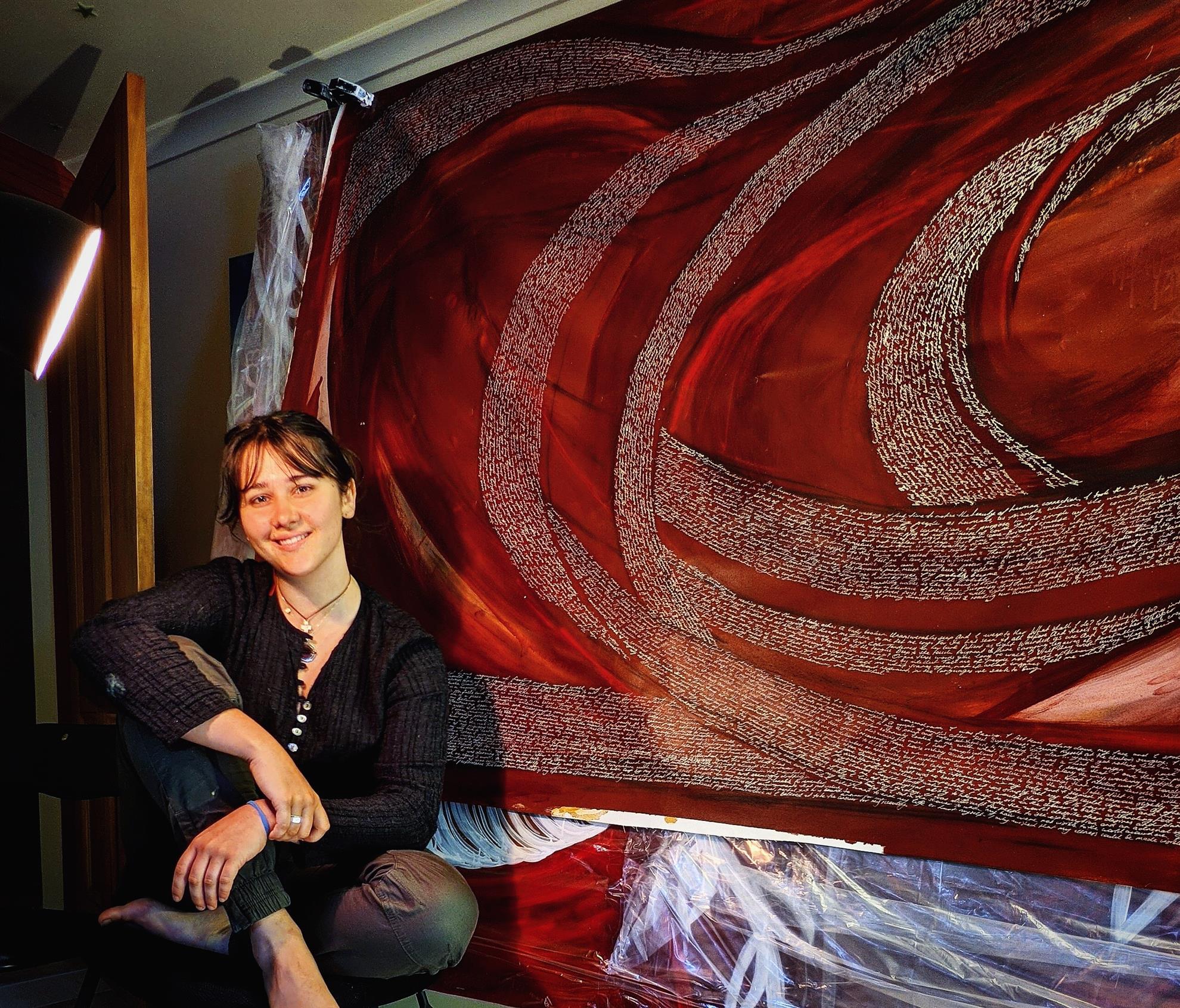
In light of the above, a local woman from Mt. Victoria, Belle Tukin approached our Club for support in her application. Professionally, she is not only a leader in Disability Rights and Policy, but is also an artist, a writer, an outdoor enthusiast, and activist for the care and protection of the planet. She currently is an Assistant Director of The Royal Commission into Violence, Abuse, Neglect and Exploitation Against People with Disability. As a woman with a disability herself, she is passionate about seeing other young people with a disability thrive; thus, living lives free from violence, systemic neglect and inequality.
We spoke to Belle at length and if awarded a Fellowship, she sees herself, in five or ten years, as continuing to be deeply rooted in the community as a whole, and more specifically, in the disability community. She wants to have a leadership role in bridging disciplines to bring about change. Change, she says, could be by continuing her work to reform policy or finding creative, ways to shine light on issues which often remain hidden. Thus, she sees a key role for herself as contributing to the shift of attitudes that under girth harm.
The Club certainly wishes her well and hopes that her dreams come true and will support her in her application.
We should give peace a chance.